


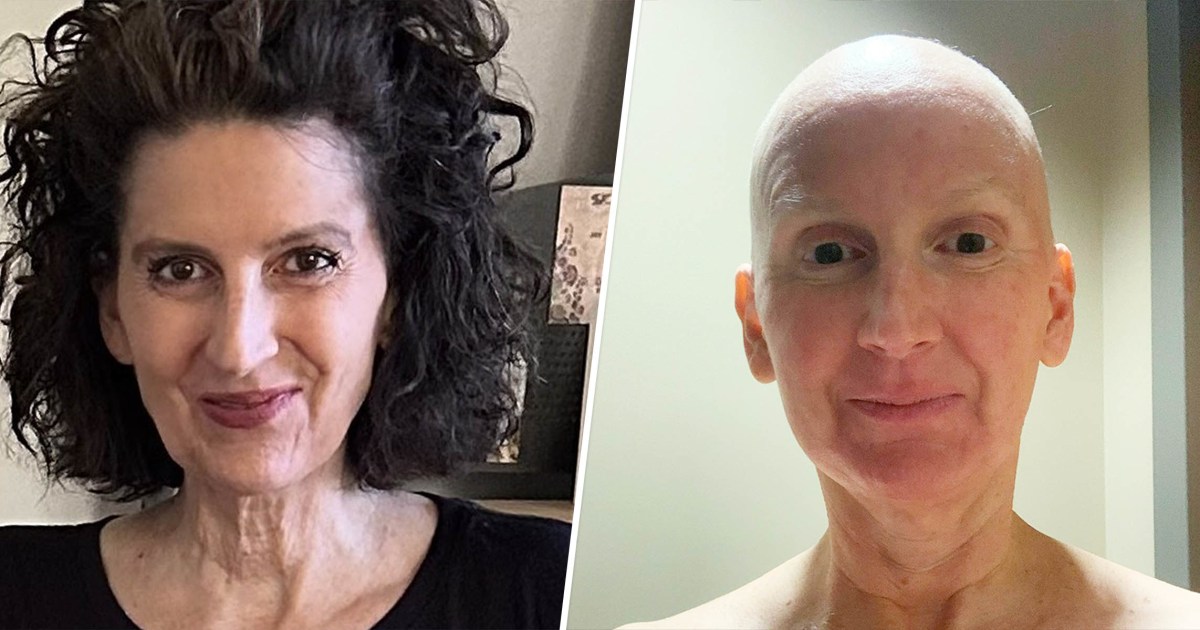
As a registered dietitian and avid runner, Beth Kitchin has had a healthy routine all her life.
She ate well, loved to jog, hike and lift weights, ran a couple of marathons, and practiced yoga and tai chi. Kitchin had “absolutely” no health problems — until she started feeling a nagging pain in one of her legs in the fall of 2020.
“I was extremely healthy,” Kitchin, now 60, who lives in Birmingham, Alabama, tells TODAY.com.
“I really was a very cheap person for my insurance company.”

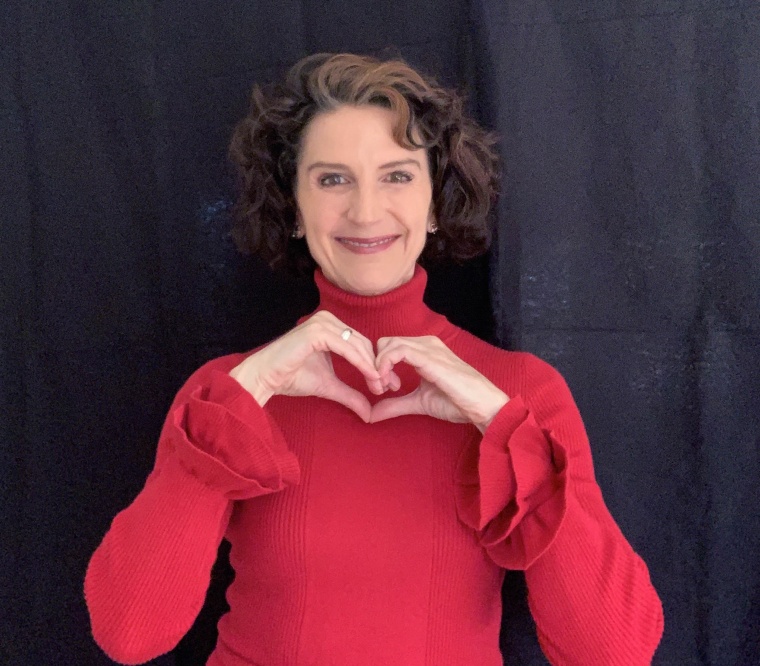
Still, the ache — on the inside of her left thigh — kept bothering her. It felt like a pulled muscle, perhaps from exercise overuse or a running injury, she wondered.
The physical medicine doctor she was referred to thought it was bursitis — inflammation from overusing a joint — but ordered an MRI to get a proper diagnosis.
‘My worst nightmare’
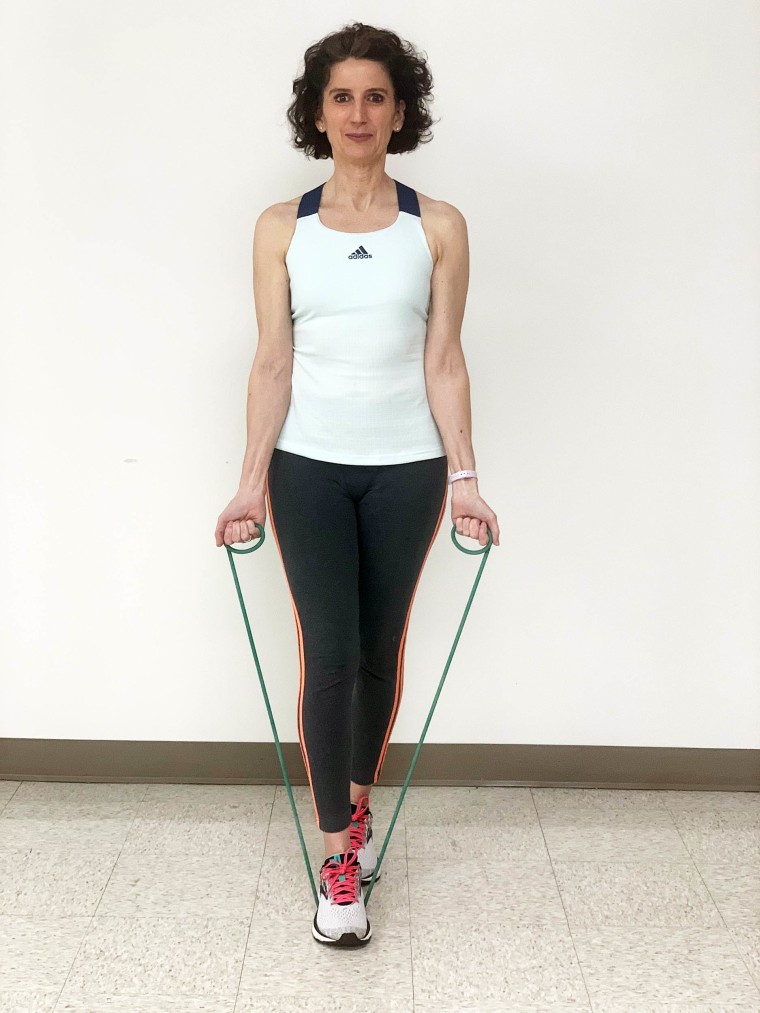
Just hours before the scan in February 2021, Kitchin — a retired assistant professor of nutrition at the University of Alabama at Birmingham — was feeling carefree and posing for photos demonstrating exercises for an upcoming health study.

But after the MRI, a doctor urgently wanted to talk with Kitchin on the phone. The scan revealed tumors in both of her legs that looked like metastatic bone cancer, he said. It seemed like a death sentence.
“It was like my worst nightmare,” she recalls. “My boyfriend came over, and we just cried and talked about, ‘What are we going to do?’ We were planning for me to die.”
But the true diagnosis was yet to come. If it was metastatic bone cancer, where was the original cancer? Doctors couldn’t find it. All of Kitchin’s test results were normal and she felt well, other than that nagging pain in her leg.
Finally, a biopsy of the tumors on her thigh bone revealed the answer.
“They said you don’t have metastatic bone cancer; you have acute lymphoblastic leukemia and it’s treatable,” Kitchin recalls.
“So, oddly enough, someone telling me I have leukemia was a big relief.”
What is acute lymphoblastic leukemia?
Acute lymphoblastic leukemia is an aggressive blood cancer that affects a type of white blood cell, according to the National Cancer Institute.
It starts with a change to a single stem cell in the bone marrow, which then multiplies into billions of mutated cells, leading to a shortage of normal blood cells, the Leukemia & Lymphoma Society notes.
There’s no clear cause and no way to prevent the disease, the organization says.
This blood cancer can lead to bone lesions in rare cases, so bone or joint pain are among the symptoms. Kitchin didn’t have any of the more common warning signs, such as fatigue, shortness of breath and pale skin.
The disease is treatable, but the treatment would be brutal.
Kitchin first needed inpatient chemotherapy to destroy as many cancer cells as possible. By the time Kitchin entered the hospital in April 2021, she was in “absolutely excruciating pain” from the bone tumors.
‘Red devil’ chemotherapy
One of the chemotherapy drugs she received during her two-and-a-half-week stay was nicknamed the “red devil” because it’s crimson and so toxic that nurses had to be covered up when they injected it into her body.
After that hospital stay, Kitchin received three more inpatient chemotherapies that lasted about five days each. She ended up watching the entire series of “The Golden Girls” and became an HGTV fan during her stays.

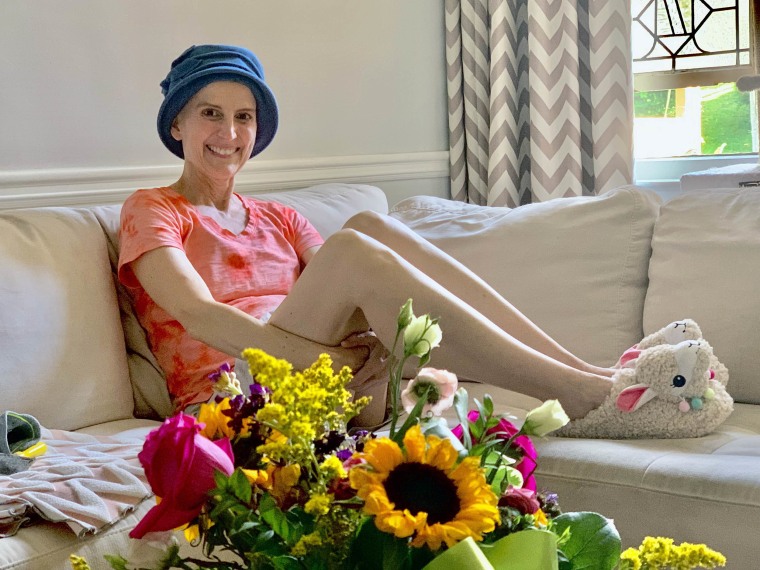
The goal of chemotherapy was to keep her in remission until she could find a stem cell donor and undergo a stem cell transplant, which would give her new, healthy blood-forming cells. A match was found through a donor registry.
The stem cell transplant took place Aug. 31, 2021.
“It just looked like tomato sauce in the bag,” Kitchin recalls about seeing the donated stem cells. “I already had a port in and you just lie there and they transfuse. … It’s very anticlimactic.”
Rocky return back to health
Just as Kitchin’s health seemed to be improving, she experienced a setback several months after her transplant.
The donor stem cells began attacking her healthy cells, a complication known as graft-versus-host disease, according to the Leukemia & Lymphoma Society.
She had severe swelling in her body, a skin rash, liver problems, mouth sores and other symptoms. She was weak, stiff and couldn’t walk.
“My body horrified me,” Kitchin says. “I looked at myself and I saw a stranger looking back at me. It was horrifying to me. I had never felt bad about my body before.”

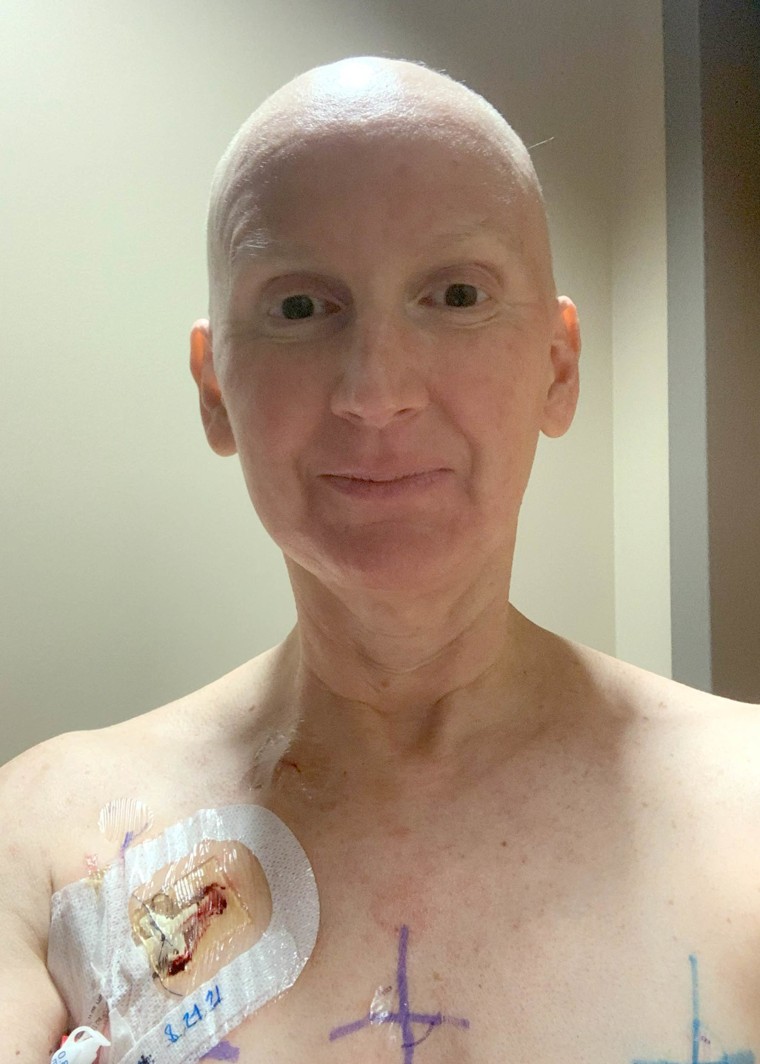
Medications for each symptom helped bring the ordeal under control. A physical therapist got her walking again. She joined a gym in January 2023 and was able to lift weights again and walk on the treadmill.
Today, she spends two hours a day exercising — going for outdoor walks, trying some run-walking and stretching.
She’s feeling well, but still has some lingering dizziness and neuropathy in her feet from the chemotherapy. Kitchin can live a normal lifespan, but her nurse practitioner told her to expect some health challenges.

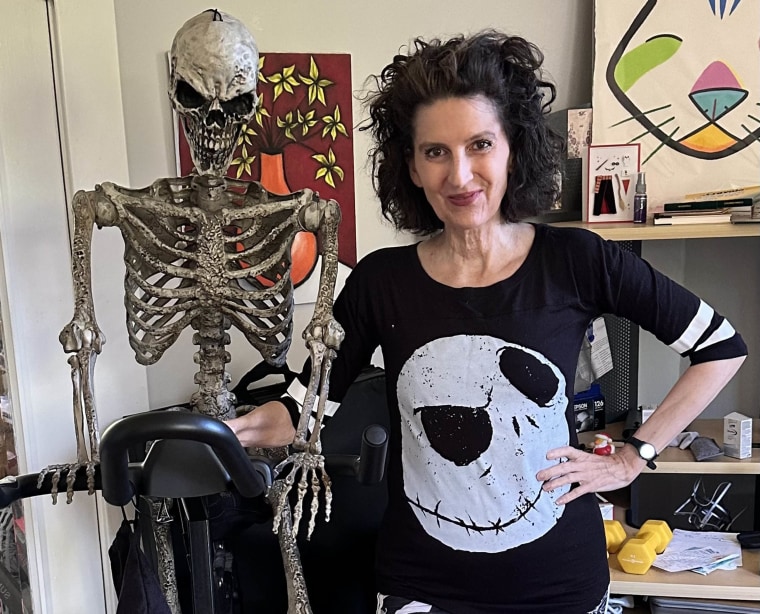
The dietitian never took medications before her diagnosis, but now must rely on a long list of them. After seeing how much the drugs cost, she’s become an affordable medicine activist.
The randomness of it all still shakes her. People think clean living means they won’t get sick, but that’s just not the case, she notes.
“I was angry. I felt like my body had betrayed me in some ways. I felt like the universe was just s—-ing on me,” Kitchin says.
“I have this new vigilance about things that I never thought I would have to be vigilant about. … It’s normal to be angry. It’s normal to be weary. But you work through it.”
link