Personalising diabetes care: a holistic approach to cardiometabolic health

While the disruption of the body’s insulin system is the core challenge in both types, effective management fundamentally diverges, demanding precision and personalisation in care.11 For people living with T1D, lifelong daily insulin therapy is mandatory, demanding meticulous, and accurate dosing. Daily life is dominated with constant calculations, carbohydrate counting and awareness for low blood glucose levels (hypoglycaemia). Being in this constant state of alert results in a very heavy emotional burden and distress all day long,12 with little respite or opportunity for spontaneity for simple activities like taking a walk after lunch. “Every single aspect of your life sometimes revolves around the decisions you make about what you do with your blood sugar,” says Cajsa Lindberg, living with T1D since her early childhood.
In contrast, T2D management initially focuses on intensive lifestyle modification, aggressive weight control, and systematically addressing comorbidities like hypertension. It is important that T2D is understood to be a chronic, lifelong disease (that can also include remission) requiring long-term strategies centred on reducing the most serious risk, which is cardiovascular events. This underscores the complexity of a global challenge; it’s not one disease, but manifold battles, each requiring specialised and continuous support, including awareness of stigma and its mental health toll.13-14
Beyond current treatment approaches, people with diabetes urgently require more convenient and predictive ways to manage their blood glucose. Diabetes is a highly complex and unpredictable disease as blood glucose levels are influenced by a large number of factors, and people living with the chronic condition, especially those with T1D, can face up to 200 decisions every day.15 Some of the factors that influence glucose levels are outside of an individual’s direct control, such as other illnesses or medications, outside temperature, sleep, stress and allergies for example, further complicating daily decision-making.16-17
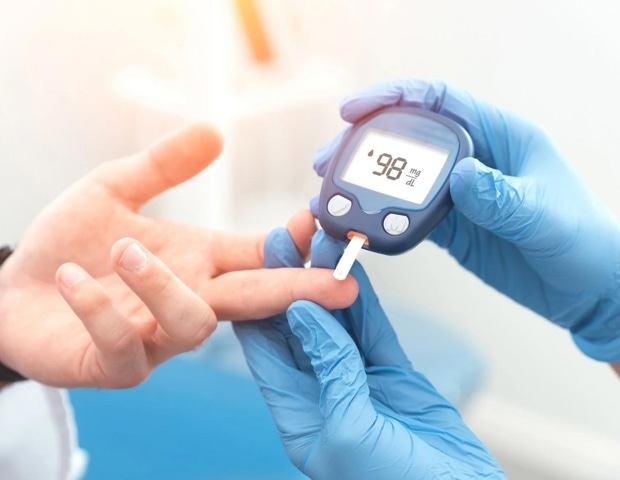
Continuous Glucose Monitoring (CGM) is transforming this landscape by providing a fuller picture of glucose levels than traditional monitoring methods. Real-time CGM solutions offer continuous insights into glucose values and trends, helping people with diabetes move toward a more comprehensive approach to care. Critically, artificial intelligence (AI)-enabled algorithms enhance the predictive functionalities of these solutions, which puts the power of prediction into the hands of people living with diabetes. This shift enables them to proactively intervene when their glucose course requires attention before a complication occurs, thereby moving diabetes management from a reactive to a proactive approach. “Enhancing the technology we currently possess is already mind-blowing. It makes diabetes management easier and brings more moments of happiness – a gift for anyone living with diabetes.” says Hanna Boëthius, who was first diagnosed with T1D in 1985. Furthermore, these predictive capabilities are designed to address the intense concerns of people with diabetes and their caregivers regarding night-time hypoglycemia, specifically aiming to lower the risk of low night-time glucose levels. Recent evidence confirms the use of AI-enabled CGM significantly reduces the likelihood of hypoglycaemia at night, easing stress and the constant fear of hypoglycaemia.18-20
This focus on prediction extends to the biggest threat, cardiovascular risk. Since cardiovascular disease is the leading cause of death in this population, simply managing glucose is not enough.6 Recent real-world data from over 115,000 people with diabetes highlights the value of screening for the biomarker natriuretic peptide, which can predict heart failure risk, including people with Type 1 diabetes, underscoring the importance of integrating advanced cardiovascular screening into routine diabetes care.21
As outlined, the sheer scope and complexity of the diabetes challenge, from the critical obesity link and the distinct management needs to the persistent threat of cardiovascular risk, demand a holistic, future-focused response. Roche is redefining cardiometabolic care through a patient-first model that spans diagnosis, treatment, and monitoring, specifically by combining digital tools and biomarkers for predictive insights with AI-powered platforms for continuous monitoring and disease forecasting. This unified approach enables us to focus on providing the right care, at the right time fundamentally working to support people across every stage of their journey and driving meaningful progress in cardiometabolic health worldwide.
link