11 risk factors for dementia revealed | News
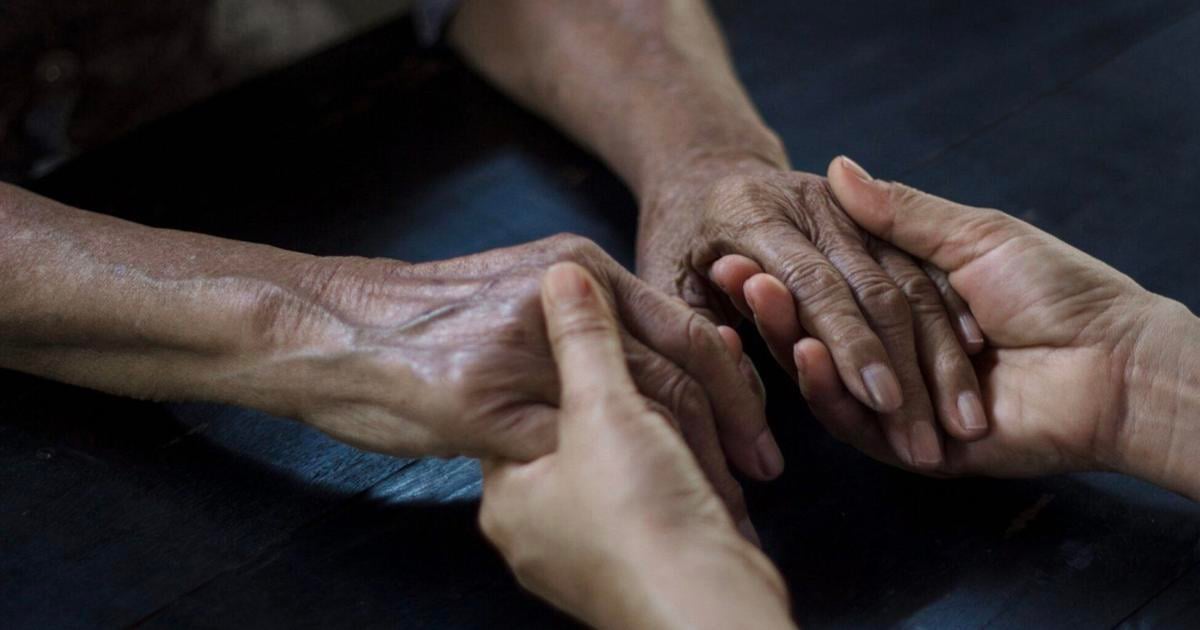
Millions across North America may be at risk of developing dementia and cognitive impairment in their golden years, a non-profit U.S. research organization warns.
But cognitive ability, functional limitations and physical health can strongly predict the risk of developing dementia in older adults. Those are the findings of a new report by RAND in a research report by Peter Hudomiet, Michael D. Hurd and Susann Rohwedder.
The report’s authors note the number of older adults in the U.S. and worldwide is growing. Because age is the most important predictor of dementia, the number of people living with dementia is also expected to rise.
Detecting an elevated risk for dementia years before its onset would help older adults prepare for the risk of developing the condition. It could help health-care providers and governments prepare resources to delay the onset or mitigate the effects of dementia and guide policymakers to invest in infrastructure and human capital to meet evolving care needs, the report notes.
The report suggests early detection of Alzheimer’s disease and related dementia is crucial for people over the age of 60. Existing disease-modifying treatments can help reduce the risk of developing dementia, but only 16 per cent of people aged 60 and older undergo regular cognitive assessments during routine visits with their primary health-care providers, researchers noted.
The report authors said there are 11 risk factors that could strongly predict the risk of developing dementia up to 20 years before its onset.
11 risk factors for developing dementia
- Poor physical health
- Have had a stroke
- Have genes that strongly predict a risk of developing cognitive impairment and dementia
- Not having a private health insurance plan at age 60
- Never having worked or having worked only a few years
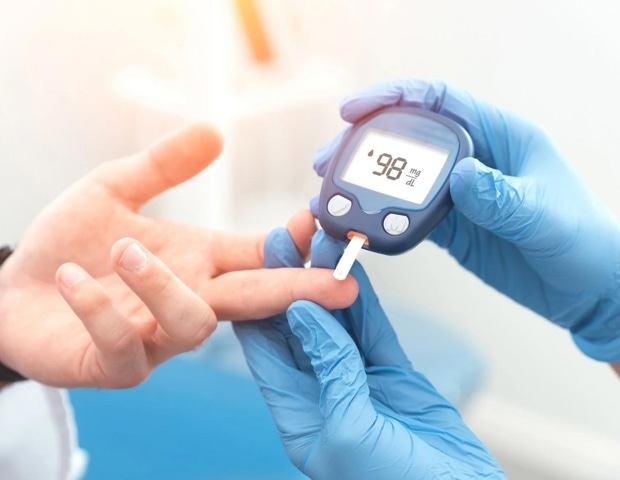
- Have diabetes or a body mass index of 35 or more at age 60
- Never drink alcohol or drink alcohol excessively
- Never exercise
- A low score on various physical tests (e.g., grip strength, walking speed and balance exercises)
- Being less conscientious
- Low engagement in hobbies and activities that involve learning new things
Dr. Dominik Nowak, a Toronto family doctor and president of the Ontario Medical Association, said it’s not surprising to see a correlation between biology, mental health and the social determinants of aging.
“All of those come together to influence how people experience what we call the lifespan,” said Nowak. “It’s not just the medical visits they have but how long and how healthy they can live through their life.”
Among its recommendations, the report urges older individuals to consider early lifestyle modifications such as to include physical exercise, work additional years, engage in hobbies and activities after retirement and maintain good overall physical health.
The report encourages health-care providers and policymakers to promote healthy behaviours while enhancing public access to quality health care.
Identifying individuals at elevated risk for dementia would also allow for the channeling of resources to direct those individuals toward a lifestyle that promotes better brain health, the report added.
Mike Pearson is a reporter on Metroland’s Digital Content Team. Reach him at [email protected].
link