
Easing worries about diabetes care over the holiday season – PortageOnline.com
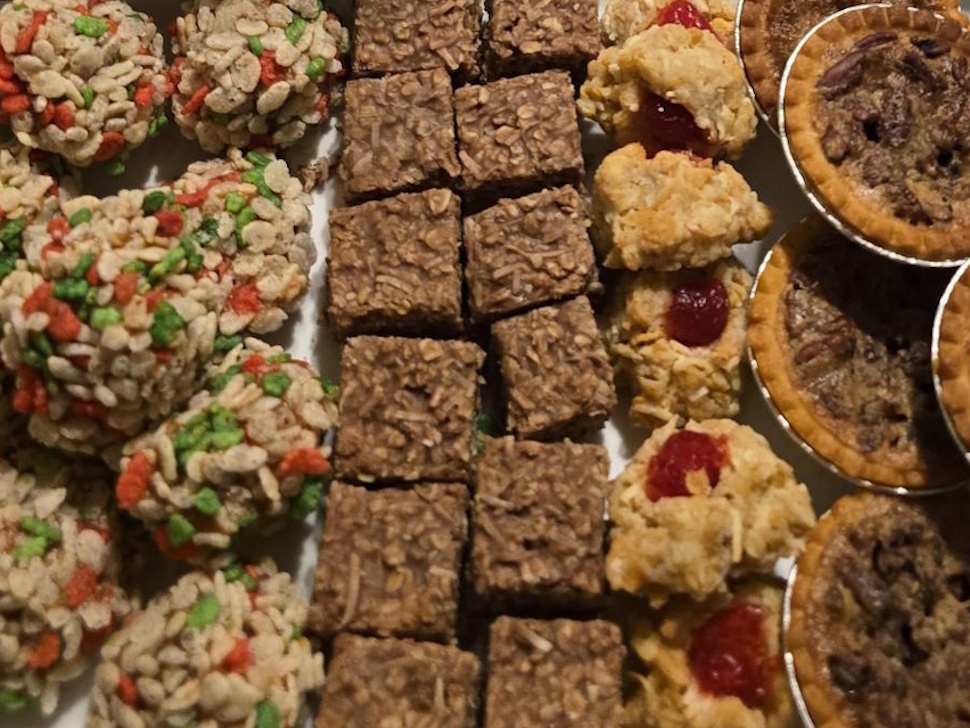
Christmas and New Year’s can bring warm and meaningful family gatherings, parties with friends, and even your workplace might host an in-house celebration before your seasonal workday break.
Something in common for many of these events that bring us all together might be large meals or plentiful snacks, sweet bakery treats, candy canes, and seasonal beverages topped with whipping cream and sprinkles. Followed by a nap on the sofa during visiting afterwards.
This is the time of year where temptation is everywhere, and if you’re trying to keep your waistline stable, or have a chronic condition like diabetes, how can you navigate well-intended and plentiful offerings around Christmas and New Year’s?

Jaclyn Ginter, a Registered Dietician with Southern Health-Santé Sud’s My Health Team shared some advice on how you can still celebrate and enjoy yourself, but mitigate the impact to your health.
“This time of year, food is everywhere. Beautiful cookies, baking, holiday meals, the treats showing up at work.” Ginter shared. “It’s such a wonderful thing. These foods are often tied to tradition, celebration, and connection. They create memories and bring people together.
“But at the same time, it can feel overwhelming. Especially if someone has diabetes, high blood pressure, high cholesterol, whatever it might be.”.
“My message is typically not to avoid these foods completely, because enjoyment really does matter.” Ginter said. “What’s important is how we enjoy them. Paying attention to hunger and fullness cues can be really helpful for people. Ask yourself, how did that food make me feel? Maybe I enjoyed a few too many cookies, and that didn’t feel so good, maybe that was a little too much.”
Moderation is key
“So even with different health conditions, enjoying these holiday foods can still fit. It is about balance and portion awareness, but also not feeling like you have to say yes to everything just because it’s there.”
Health conditions can often not be apparent, so for a host it can be tricky to prepare treasured family recipes while still offering options for guests that might have to be watching what they consume.
“It’s a thoughtful reminder that many people are managing health concerns that we might not see.” Ginter explained. “Being mindful of offering balanced options alongside some of those traditional treats goes a long way.
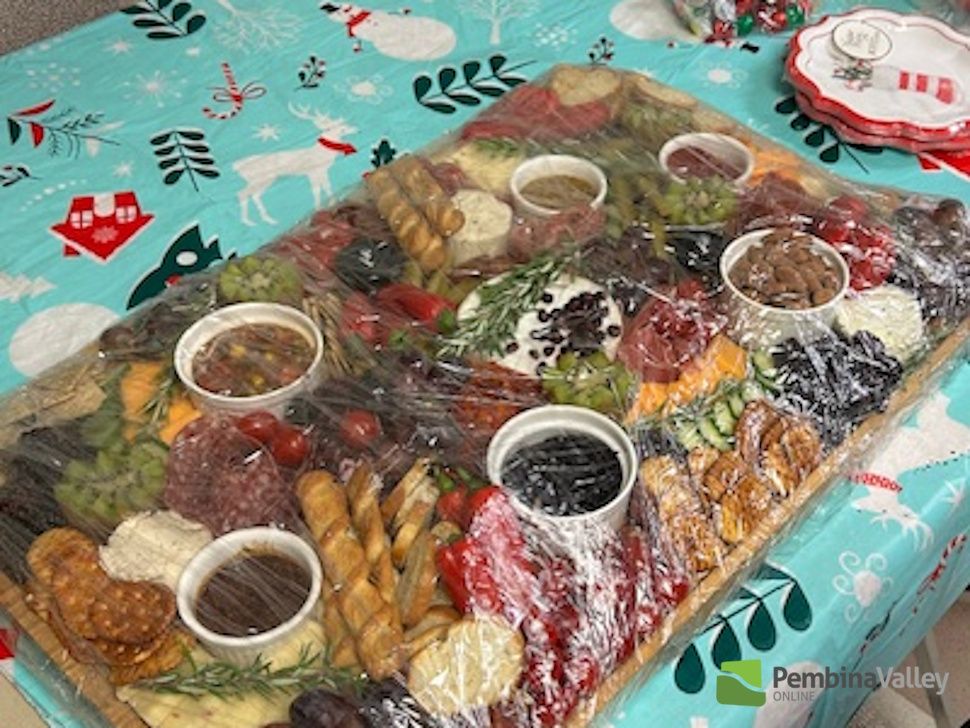
“I really like the trend of this charcuterie style spread that we see in a lot of pictures. I think it’s kind of a neat way that we could use that balanced approach. Include a protein – meats, cheese, hummus, that kind of thing. Add whole grain crackers, whole grain bread nicely arranged, some unsalted nuts and seeds. You can make it colorful – add in some raw vegetables, fresh or dried fruit would go really well. It’s very festive, it’s very flexible, and it would allow your guests to kind of build a plate that works for them without necessarily feeling singled out.”
Sugary treats are just one concern
A misconception with diabetes in particular is a high intake of sugar or sugary treats leads to blood sugar spikes. So, do you need to work to avoid the Sugar Plum Fairy and the Land of Sweets altogether then?
“Sugar gets a lot of attention, but the carbohydrates are really what we’re looking at with the blood sugar.” Ginter shared. “Some of the obvious sugar sources we think of are white sugar, jam, juice, those kind of things. Those are all carbohydrates, but carbohydrates are also whole grain bread, milk, fruit, yogurt, quinoa. These also impact blood sugar, and many of them are very nutritious.
“Sometimes it really is kind of having this open mind to learning and educating and changing. I do find that we really can keep some of those things that you’re used to, those comfort things. We just have to be a little bit more strategic with how we’re balancing things.”
Helpful tips to health maintenance
Ginter offered guidance tips for people to get back on track if they do find themselves feeling any angst about overindulging.
“There are definitely some habits that can help prevent blood sugar spikes and keep things a little more stable. Eating at regular times, not skipping meals. You don’t want to go long periods without eating. Our bodies need these carbohydrates. It’s our brain’s primary source of fuel.
“We do want to be feeding ourselves a source of carbohydrate at regular intervals throughout the day, including snacks if you’re hungry between meals. Choosing higher fiber carbohydrates is a great option. The more fiber, the better. That’s really going to help with those blood sugars.”
Ginter offered other suggestions to try working into your health maintenance program. “Another strategy that I really like is the idea of pairing a carbohydrate with a protein food. This is actually one of our tricks that goes a long way in helping that blood sugar stabilize..
“Then adding movement whenever possible, even a 10-to-20 minute walk after meals, any kind of movement is wonderful for blood sugar control”.
Southern Health-Santé Sud’s local resources
Ginter added what her own role offers for guidance.
“I am part of the dietitian team (at Southern Health), we are a small but mighty group. We’ve got dietitians, you’ll find us in the clinics, in the hospitals, in the care homes. So hopefully somebody can get you connected to the right one to see you.
“We do offer classes and education for conditions like diabetes, heart health, PCOS, and chronic disease management. Many of the programs accept self-referrals or referrals from healthcare providers. Then another resource that I just like to promote is that in Manitoba, we have Dial-A-Dietitian. That’s a free bilingual phone service where a registered dietitian can answer questions about diabetes, cholesterol, family nutrition, and then help direct you to additional supports.”
There are a wide variety of resources for anyone living with chronic conditions like diabetes or high blood pressure.
Visit Southern Health-Santé Sud’s website and navigate to their Living with a Chronic Disease page.
link