Medical foam aims to revolutionize wound care for faster healing, better outcomes

Investigators at Colorado State University’s Translational Medicine Institute have been awarded a $1.5 million Department of Defense grant to develop a multifunctional medical foam for on-site care of traumatic wounds from accidents, trauma, and military combat.
This project also includes partnerships with University of Colorado Anschutz Medical Campus Department of Orthopedics and CSU’s Department of Mechanical Engineering as well as clinicians from CSU’s Veterinary Health System, the most comprehensive veterinary hospital system in the Mountain West.
The defense department’s Peer Reviewed Medical Research Program supports high-quality, innovative research that pioneers breakthroughs and enhances the health of service members and civilians. The program focuses on translating promising preclinical findings into clinical applications, such as new diagnostics, treatments, and medical devices.
The three-year grant awarded to CSU aims to develop a novel medical foam drug-delivery technology to facilitate rapid on-site treatment of complex wounds in both military and civilian settings.
From laboratory to battlefield
The technology will be evaluated for the ability to effectively deliver three key active drugs to complex wounds: an antibiotic, a clotting agent, and a wound healing agent.

The first studies will test the ability of the foam to fill wounds and release active ingredients in a controlled laboratory setting. Next, experimental trials will be conducted to understand how well the foam works in more complex and variable environments like those found in humans.
Then, the scientists, engineers, and clinicians involved in this project will collaborate to advance the proposed medical foam from the laboratory to the battlefield.
The project is led by Kirk McGilvray, associate professor of mechanical engineering and associate director of the CSU Orthopedic Bioengineering Research Laboratory.
“This project’s funding was secured through a multi-faceted approach. A key component was a grant from the Colorado Office of Economic Development and International Trade (OEDIT),” said McGilvray. “These funds facilitated the generation of critical proof-of-concept data, a prerequisite for the successful Department of Defense (DoD) application.”
The team includes Lynn Pezzanite, D.V.M. (assistant professor of equine surgery), Steven Dow, D.V.M. (professor of internal medicine and immunology), and Kelly Hall, D.V.M. (associate professor of emergency and critical care) from CSU’s Department of Clinical Sciences, and Nicholas Alfonso, M.D. (assistant professor in the Department of Orthopedics at CU Anschutz). Mechanical engineering graduate students Amelia Stoner and Jaci Linn will use this opportunity to complete their master’s and doctoral work, respectively.
“This project holds special significance for me as it brings together an interdisciplinary team dedicated to advancing a technology that can provide immediate, safe, and efficient care for those injured before they reach definitive medical treatment,” McGilvray said. “I feel fortunate to collaborate with such a passionate group of engineers, scientists, and clinicians.”
The initial wound is only part of the problem
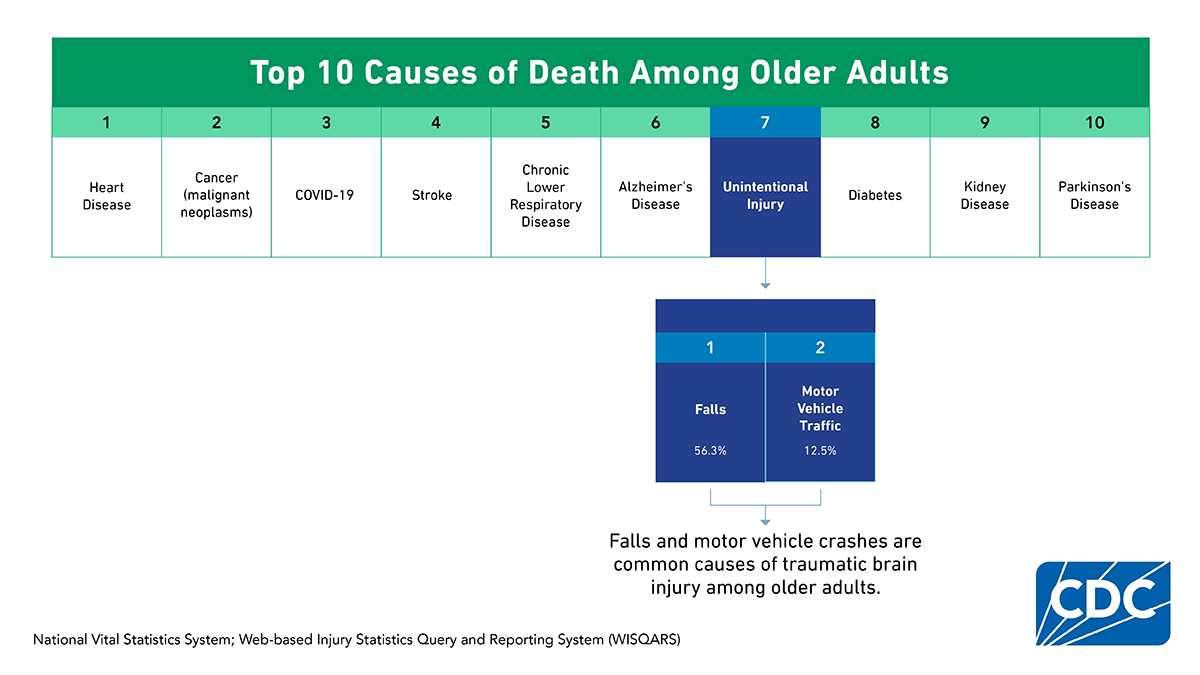
Nearly 19% of injuries in the U.S. military are caused by acute open wounds. Civilian emergency rooms see more than 1.7 million visits each year for similar issues. About 6% of these wounds become infected, and 5-10% experience healing complications.
Additionally, uncontrolled bleeding is a leading cause of death in trauma cases and is preventable. Current wound management strategies used by warfighters and first responders typically focus on a single complication of wound care: bleeding. Contemporary methods are particularly limited in their ability to effectively treat wound tissues with disrupted blood supplies, as expected in most trauma injuries. These limitations underscore the necessity to create technologies capable of more effectively covering the complex surface of many wounds.
Reducing the risk of primary complications (e.g., blood loss) and secondary complications (infection and poor wound healing) in traumatic wounds is the primary goal of the medical foam development program. Battlefields impose severe constraints on available workforce, equipment, and supplies for rapid patient care. Typically, six to eight hours post-injury is considered the critical window for preventing wound complication, which medical foam addresses by topical administration of therapeutics at the point of injury. The medical foam drug delivery platform facilitates rapid control of wound blood loss and infection prophylaxis and delivers an immune stimulant that promotes wound healing.
Because this technology is being developed with battlefield applications in mind – where time is of the essence – it will already be a critical tool for remediating civilian and animal wounds, too.
The future of wound treatment
The Vital Foams team includes specialists in orthopedic surgery, internal medicine, infectious disease, immunology, trauma medicine, and bioengineering to develop the novel drug delivery platform technology. This technology allows the incorporation of pharmaceutical and biological agents into the foam on-site immediately before application to the wound surface. The foam is a comprehensive solution to quickly and effectively target both primary and secondary complications seen in complex wounds that occur on the battlefield.
“Over the past few decades, medicine has not made much progress on continuing to decrease traumatic wound complications, such as infection, since the advent of antibiotics,” Alfonso said. “This foam technology offers a comprehensive and multi-model approach to address this problem. Our team is topnotch and incredibly thoughtful, which is why I have no doubt we will make significant contributions to the future care of patients with traumatic wounds.”
The foam technology allows for adaptation to various wound shapes and sizes, from minor cuts to severe trauma.
Compatible with current standard-of-care regimens, such as tourniquets and bandages, the foam can be applied alongside other life-saving strategies. It’s delivered topically and can thereby reduce the risk of systemic toxicity and the adverse effects that might be associated with oral or IV delivery.
The base of the medical foam will be made of a water-soluble biopolymer used in surgical adhesion prevention and cosmetics. The foam compound is designed for absorption into the wound bed, and it does not require removal.
A partnership built to advance human and veterinary care
Collaborative partnership has been key to developing this revolutionary medical technology.
“The interdisciplinary partnership between the CSU Departments of Clinical Sciences and Engineering and CU Anschutz Orthopedics is what positions us uniquely here to address complications following trauma, with relevance to both humans and veterinary patients,” Pezzanite said. “We look forward to building continued collaborations within this group and between veterinary and medical campuses.”
Designed for rapid, point-of-injury care, the foam is a stable, easily deployable solution to treat acute wounds in the field, giving immediate relief to the injured. This project will develop a technology optimized with low size, weight, and power requirements, making it easily transportable, durable in extreme environments, and simple to use. It’s a complete wound care option for military personnel in severe environments with limited resources, helping soldiers return to duty faster and maintaining the effectiveness of military operations.
In civilian settings, equipping first responders and emergency medical personnel with this comprehensive tool would give traumatic wound patients an accessible solution, preventing uncontrolled blood loss and infection. This would limit the need for hospital transfers, intensive care, and prolonged treatments, ultimately reducing healthcare costs.
“Our medical foam technology is poised to significantly impact both military and civilian trauma care, assisting millions who suffer from traumatic injuries in challenging environments,” said McGilvray. “This endeavor is just the beginning, as we see vast potential in the versatility of our medical foam to be customized for various applications.”
link