Montrealer takes a stand for men’s health this Movember
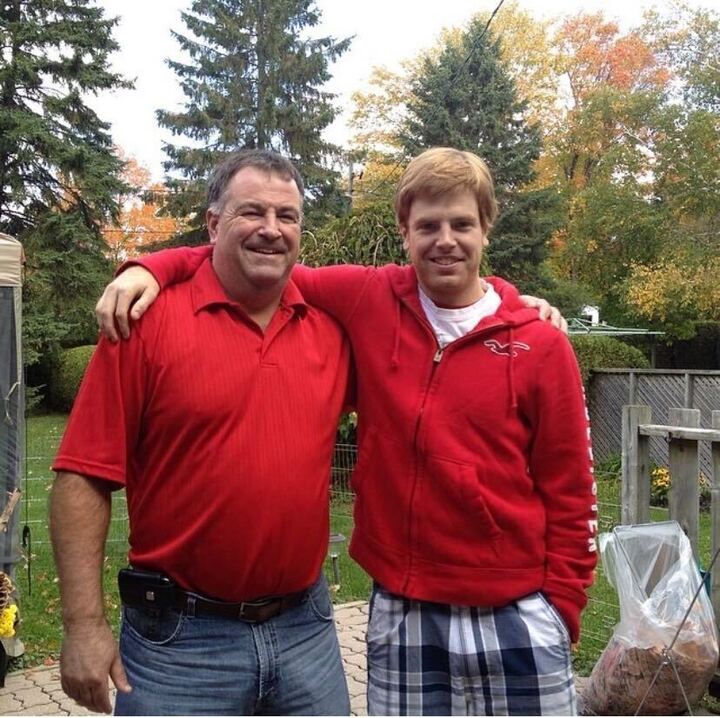
For Evan Connor, Associate Director of Development for Movember, the fight for men’s health is not distant, abstract, or theoretical. It lives inside his family’s story — one that shows just how quickly life can change, and how urgently men need to talk about their health.
He was just 20 when he learned his dad had prostate cancer. The moment was so ordinary, it almost didn’t feel real.
“My dad did it extremely casually… we were driving back… and he’s like, ‘oh, I forgot to tell you, I have prostate cancer’.”
There was no dramatic pause, no deep conversation.
“There wasn’t much more after that other than it’s going to be okay… Even for myself, it didn’t fully resonate in that moment.”
But once the shock faded, fear crept in — especially for his mom.
“It did take a toll on my mom, the fear of the unknown. Again, it was the first time our family had really been that directly impacted by cancer. And like anyone, as soon as you hear that, it’s hard not to fear the worst.”
For the first time, cancer felt personal, close, and frightening.
“It was definitely my first experience with anything like that.”
Thankfully, Connor’s dad survived. He fought. He recovered. He lived.
“He just got last week was his, he got his results back. So he’s 15 years cancer free. He’s doing really well.”
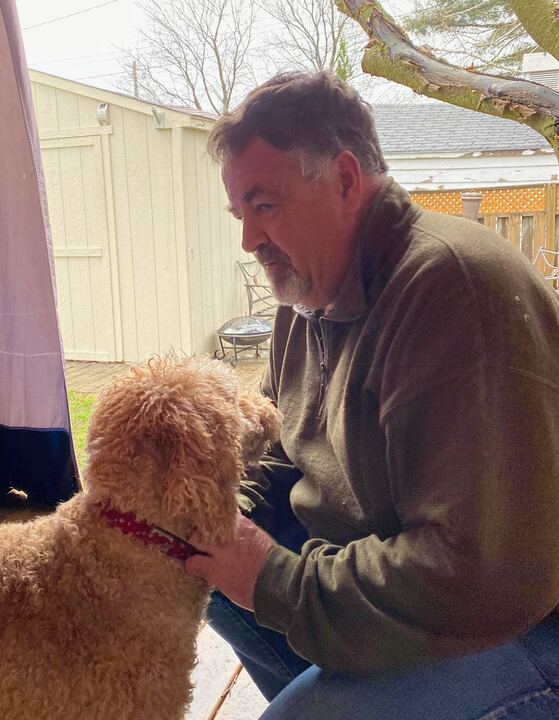
Evan Connor’s father, diagnosed with prostate cancer 15 years ago. (Submitted by: Evan Connor)
But the disease continued to hit the family hard. His uncles weren’t as fortunate.
“It has been a disease that’s impacted his three brothers. So actually one of my uncles just passed away three weeks ago. He had four different types of cancers at the time of his passing. His other brother passed away shortly after my dad was diagnosed with prostate cancer. And then his other, my other uncle, my other dad’s other brother currently has prostate cancer, and he’s doing what’s called active surveillance, whether monitoring his prostate cancer.”
These losses aren’t statistics. They’re names, faces, chairs left empty at family gatherings. And they’re a reminder of how quickly things can change when men stay silent about their health.
“The best thing my dad did was catch it and take the action.”
A movement changing the conversation
Across Canada, men continue to face a silent crisis — dying younger, struggling with mental health, and often waiting too long to speak up. Movember is trying to change that.
Last year, 47,000 Canadians joined the movement, choosing to spark conversations that many men avoid.
While the statistics are serious, the ways people get involved can be fun, bold, and inspiring — from growing moustaches to taking on fitness challenges. Each action can spark conversations and support research and programs focused on prostate cancer, testicular cancer, and mental health.
Canadians are encourages to sign up at online, set a fundraising goal, grow a moustache throughout the month, and raise funds and awareness.
Participants can also move for mental health, walking or running 60 kilometres over the month to honour the 60 men lost to suicide every hour globally.
Connor joins them every year — moustache and all.
“I always try to grow a different style of mustache. This is definitely not my regular look.”
And he wants every Canadian to know there’s a place for them in this movement.

How research is changing the story for men
Movember funds research across the country, including in Quebec, helping men get diagnosed earlier and treated more effectively.
Atiqa Mohammad, Movember Canada’s Director of Cancer Programs Implementation, explains just how far we’ve come.
“A lot of progress has been made. And the reason also why the survival rate is so high is because a huge part of that is due to early detection. So PSA testing as well as major advances in imaging, especially MRI means we’re catching cancer a lot earlier and with much more accuracy.”
Treatment today is smarter and more personal.
“Not every man needs surgery or radiation right away. So for men with low-risk disease, active surveillance is also a same in common option. And for men with advanced cancer, there’s now targeted and precision therapies that didn’t exist a decade ago. And a lot of that was made possible because of research that a number of organizations, including Movember has funded.”
Even though prostate cancer is still the most common cancer in Canadian men, early detection gives them a real chance.
“Prostate cancer is the most commonly diagnosed cancer in Canadian men. So in fact, one in eight men will be diagnosed in their lifetime and one in 30 will die from it. But the encouraging uses we’ve made huge progress like we’ve talked about. And so more than 90% of men will survive at least five years when it’s caught early and most go on to live long and full lives.”
Atiqa stresses that surviving cancer is not enough — men deserve quality of life, too.
“One of the most important advances and what Movember is actually deeply committed to is recognizing that survival isn’t the full story. So men deserve support for their quality of life, including their urinary function, their sexual health, as well as, you know, their mental health and relationships as well.”
But awareness is still the key to saving lives.
“Globally, yes, prostate cancer cases are projected to double by 2040. So we’re seeing increases in Canada as our, again, as our population increases and more men live longer. But what’s important is that we’re also improving awareness and detection. So when men know the risk and get checked early outcomes improve dramatically.”
Because early prostate cancer often whispers — or says nothing at all.
“In early stages, prostate cancer often has no symptoms, which is why screening is so important. But there are some things that you can pay attention to, including changes in urination, difficulty starting or stopping, pain or burning, blood in the urine, changes to sexual function. So these don’t always mean cancer. They can be caused by many things. But there are signals to speak to a healthcare provider.”
And in Quebec, Movember is making sure men have access to knowledge, tools, and care.
“The key challenge is ensuring that men feel comfortable talking about their health and accessing supports early. We want men across Quebec, Montreal, Quebec City, Laval, everywhere to know that screening is easy and conversations with your healthcare provider can make all the difference.”
A message to men — and to the people who love them
Atiqa closes with advice that every man — and every partner, friend, sibling, and parent — needs to hear.
“Just have the conversation, talk to your doctor.”
She warns that too many men die young from preventable causes — and that their loss tears holes in families and communities.
“Clearly too many men are still dying too young from preventable causes and the ripple effect that that can have on families, workplaces and communities.”
And her final message hits home:
“If you love a man, whether he’s your partner, your dad, your brother, your son, encourage him to prioritize his health because he deserves it and so do you.”
link