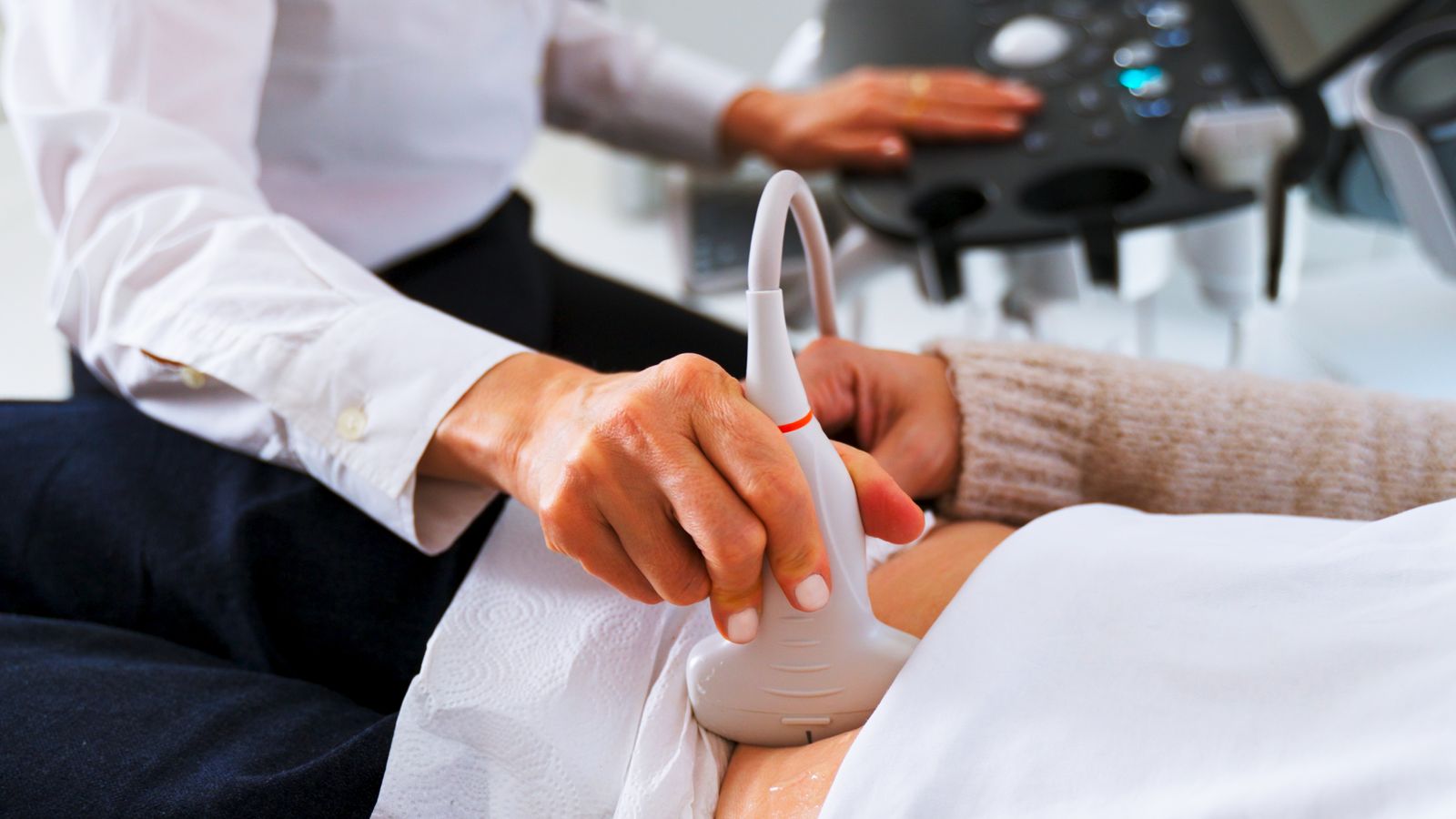
New cancer treatment program available in Saskatchewan
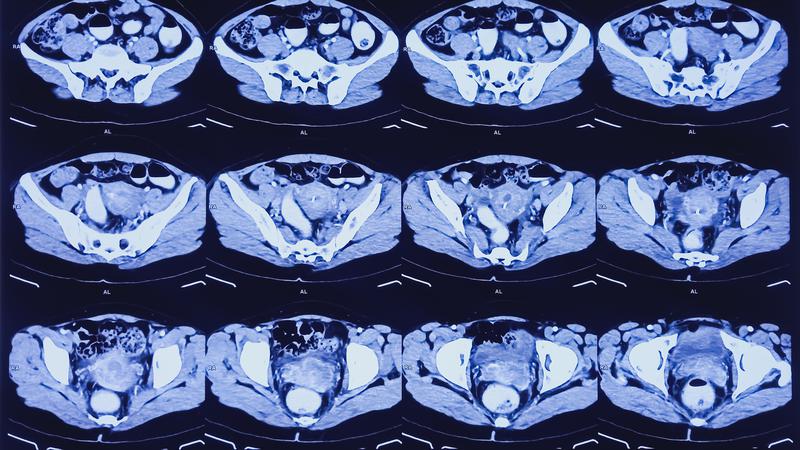
“With cervix cancer, that’s what we do,” she said of the treatment that can take weeks to complete.

“We put in an applicator up the vagina through the cervix into the uterus, where we can then sit a radioactive source in those channels to create a little radiation cloud in the inside to really boost that cervix cancer to increase cure rates as much as we can.”
According to the Canadian Cancer Society, it was estimated that 1,600 women across Canada were diagnosed in 2024.
Roughly 74 per cent of women will live at least five years past the point of diagnosis. However, rates vary depending on the different stages of the disease is in along with overall health.
The program is in collaboration with the Saskatchewan Health Authority and will roll out over years in three phases, beginning with a “Hybrid treatment which combines the standard applicator with additional interstitial needles for optimal precision and effectiveness.”
Initially, the program will be in Saskatoon but will expand to Regina. For those who live away from the hospitals such as residents of the Battlefords, Meadow Lake or Prince Albert and must travel for treatment, there are options including the Saskatoon Cancer Patient Lodge.
“We are dedicated to driving healthcare innovation that enhances patient outcomes and improves quality of life for all residents,” Health Minister Jeremy Cockrill said via news release.
Eventually, they look to expand treatment for other cancers including uterine and vaginal.
Moore said the purpose of the program is to move from intracavitary brachytherapy (putting in areas that already exist such as vaginally to the cervix) only to adding an interstitial element such as extra channels like needles going through tumours.
“So that we can have more options of where we can sit the radioactive source and get more coverage of the cancer,” she said.
According to a news release, the program treated its first patient in January and is expected to be able to treat 20 patients a year, thus benefiting 65 per cent of those with cervical cancer in the province.
“A real element of stress in our jobs was finding centres across the country to send these patients for this aspect of their treatment,” she said.
“It’s a lot better I think as a physician for us to be putting our energy into the actual treatment instead of into finding somebody else to do the treatment for us.”
—
On BlueSky: juleslovett.bsky.social
link