Portage area diabetes educator highlights small lifestyle changes for big health impact – DiscoverWestman.com
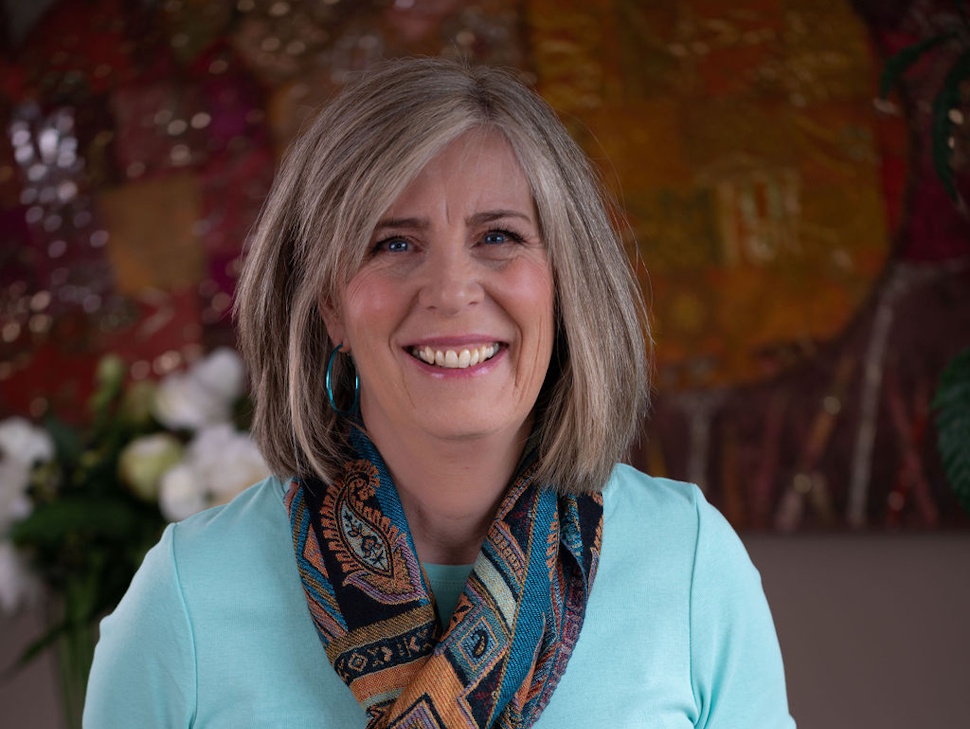
Friday marks World Diabetes Day, a time to raise awareness about a condition that now affects more than one in ten Canadians. For longtime Portage la Prairie dietitian Karen Graham, it’s also a reminder that even small, steady changes in daily habits can have a powerful impact on health.
Graham, a registered dietitian, certified diabetes educator, and author, spent 25 years as a diabetes educator working in Portage la Prairie, Manitoba, before moving to British Columbia. Though she now works in public health, her focus on diabetes education and nutrition remains central to her work.
“I started fairly early in my career working in Winnipeg at the UVO Clinic Diabetes Program, when diabetes education was still new in the community,” says Graham. “Then from 1982 to 2012, I worked in Portage la Prairie as part of the local diabetes-education program. It was such a wonderful community to be part of.”
Knowing the signs
Graham believes awareness begins with understanding personal risk.
“If you’re over 40, you should have your blood sugar checked every three years. If you’re overweight or have a family history of diabetes, your doctor may want to test more often,” she explains.
Symptoms to watch for include extreme thirst, frequent urination, tiredness, blurred vision, or infections that don’t heal.
“But many people don’t have symptoms for years. That’s why it’s so important not to wait and get checked regularly,” she adds.
For those diagnosed with pre-diabetes, Graham emphasizes that this is the crucial moment to act.
“I always say it’s like stopping a train before it gets too far down the track. You can delay or even prevent diabetes entirely through lifestyle changes.”
For anyone feeling overwhelmed by a new diagnosis, Graham reminds people that managing blood sugar doesn’t have to be complicated.
“Walking is one of the best exercises for managing blood sugar. Even switching from pop or juice to water can have a huge impact,” she notes.
From AI to Ozempic
While there’s still no cure for diabetes, Graham says research and technology are transforming the way people manage the condition.
Continuous glucose monitors (CGMs), small, wearable sensors that measure blood sugar levels in real-time, are helping people see how food, activity, and stress affect their glucose levels. When paired with insulin pumps, these systems can deliver insulin automatically based on those readings.
“We’re starting to see artificial intelligence being used alongside these technologies. AI programs can analyze your blood sugar data, track your meals and activity, and even act like a personal coach. They might say, ‘You ate this at breakfast, so here’s how to balance your lunch,’ or suggest going for a walk when your blood sugar is trending up. It’s like having a dietitian in your pocket.”
This kind of support can make lifestyle changes easier to sustain.
“Research shows people do better when they have regular encouragement or coaching. These tools make that possible for more people,” she says.
Another major development is in medication. Graham points to semaglutide, known by its brand name Ozempic, as one of the most talked-about new treatments. Originally developed for diabetes management, it has gained attention for its additional benefits.
“Semaglutide is part of a newer class of medications called GLP-1s. They help lower blood sugar, protect the heart and kidneys, and often promote weight loss. It’s an exciting step forward in diabetes care.”
She adds that Ozempic is expected to go generic in early 2026, which could make it more affordable for Canadians.
“That’s good news for accessibility. But even with new medications, lifestyle remains the cornerstone of good diabetes management,” she stresses.
A lifelong passion
For Graham, the field of diabetes education has been both fascinating and deeply rewarding.
“What I love about this work is that diabetes affects every part of the body: the heart, kidneys, skin, eyes, even sleep and memory. So, when you teach someone how to manage it, you’re really teaching about the whole body and how everything connects,” she explains.
She notes that the progress over her three decades in the field has been inspiring.
“When I started, we were testing blood sugar using urine strips. Now people can see their glucose levels minute by minute on their phone. The technology has changed so much, but the message is still the same: small, consistent changes make a big difference.”
Graham is the author of several diabetes guides and cookbooks, including ‘Diabetes Meals for Good Health’ and ‘Diabetes Essentials’, co-authored with endocrinologist Dr. Mansur Shomali. Her books are available online through her website, and local readers can also check the Portage Regional Library, which has carried her titles in the past.
Whether it’s learning to spot early symptoms, supporting a loved one, or committing to a daily walk, Graham says every effort counts.
“Diabetes affects almost every part of the body, but the positive side is that every small, healthy choice you make can make a difference.”
link