Wearing glucose monitors without diabetes could harm your health, research shows
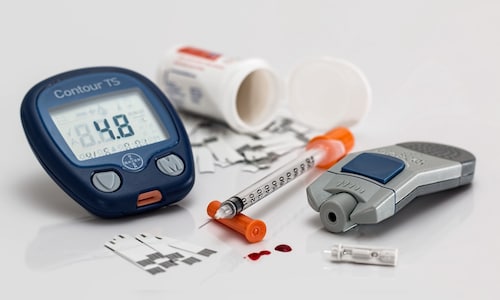
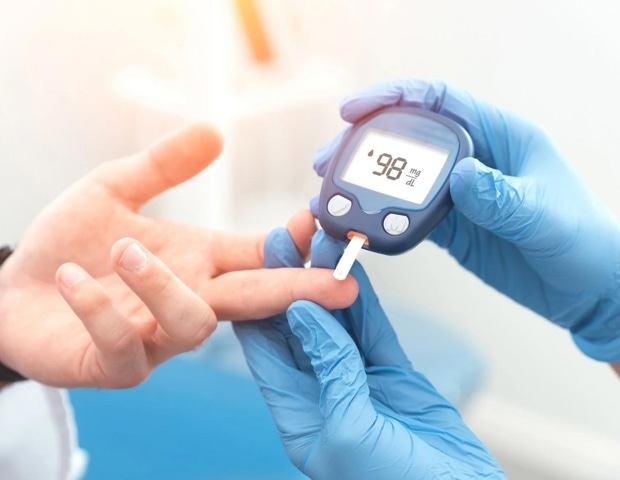
Harvard Health Publishing highlights that there is no conclusive proof that CGMs enhance health outcomes for people without diabetes or blood sugar problems.
According to short research with 153 non-diabetics, 96% of glucose readings were normal or almost so, with many deviations probably caused by measurement error. Many of the abnormal values were regarded as dubious or an error.
Another short study examined overweight or obese sedentary people without diabetes. Besides using a CGM device and an activity tracker for 10 days, participants completed a counselling session regarding the impact of physical exercise on blood sugar.
They, thereafter, claimed to feel more inspired to work out. No evidence of health benefits was discovered in yet another investigation of the use of CGM for rare illnesses that cause children to have low blood sugar.
Furthermore, CGMs are not cheap; they can run into the thousands of dollars every year. Until there is strong proof that CGMs are beneficial, health insurers are unlikely to cover them for non-diabetics or otherwise.
With approximately 136 million people at increased risk of developing diabetes, the CGM market in India is expanding and is expected to reach $672.9 million by 2033. Doctors, however, are raising concerns because wellness influencers are suddenly showing off glucose “spikes” from regular meals and denouncing healthy, physiological variances as harmful.
Dr Anoop Misra, Chairman, Fortis C-DOC Hospital for Diabetes and Allied Sciences, told India Today that CGMs measure glucose in the fluid under the skin rather than in the bloodstream, and that readings usually take 5 to 15 minutes to process. Post-meal glucose spike is completely normal for healthy individuals; levels rise within an hour and drop to baseline within two hours.
However, when influencers exaggerate these variations, healthy users could become concerned, make irrational dietary changes, and unintentionally foster anxiety or disordered eating patterns. Dr. Misra described how one patient became so fixated on her readings that she had trouble focusing and sleeping, and she only recovered after discontinuing the device.
Moreover, misinterpretation can have physical repercussions along with mental stress: physiologically insignificant dips may result in unwanted snacking, weight gain, or even dietary restrictions that are not well-informed.
People with type 1 diabetes, insulin-dependent type 2 diabetes, hypoglycaemia unawareness, or significant glucose variability continue to benefit greatly from CGMs, which offer real-time insights, alerts, and improved disease management. However, the healthy majority views them as a gizmo rather than a tool with medical justification.
link