Who Should Use a Continuous Glucose Monitor? > News > Yale Medicine

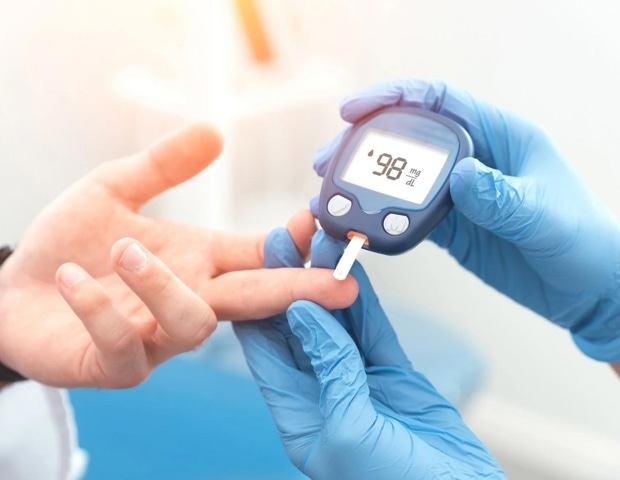
Historically, checking your blood glucose (sugar) levels meant pricking your finger with a needle and dropping blood onto a test strip. A person with diabetes might have had to do this multiple times a day, as the disease can cause blood glucose levels to be too high, which can be dangerous in many different ways.
But with the advent of continuous glucose monitors (CGMs) in the late 1990s, sticking your finger with a needle has become less common. A CGM is a wearable medical device that works by having a small, removable sensor (placed just under the skin) measure glucose levels in real time and send alerts when they are outside a target range.
Initially, CGMs were prescription-only and reserved for people with type 1 diabetes, a condition in which the body does not make insulin, the vital hormone that moves glucose from the blood to the cells, where its energy can be used for various functions. But over the years, as the number of people with type 2 diabetes (in which the body makes less insulin than is needed or has built up a resistance to it) has gone up, insurance coverage has expanded, and those with type 2 diabetes who require insulin therapy are increasingly given a prescription for a CGM.
However, that left people with type 2 diabetes who do not take insulin or those who have prediabetes (when blood sugar levels are higher than normal but not high enough to be diagnosed with type 2 diabetes) with the finger-stick option as the only way to monitor their blood glucose levels.
That changed this past spring when the Food and Drug Administration (FDA) approved the first over-the-counter (OTC) CGM. This new CGM, called the Dexcom Stelo Glucose Biosensor System, is meant for people 18 and up who have type 2 diabetes (but do not take insulin) or prediabetes. (The Stelo system is not for those with hypoglycemia, a condition marked by low blood sugar.)
The OTC Stelo CGM is essentially the same—in terms of offerings and accuracy—as a prescription-based one, which is also sold by Dexcom. And as with prescription CGMs, users can sync OTC versions with their smartphones to receive readings.
Monitoring blood glucose levels is crucial for an individual with diabetes because over time, high levels can permanently damage the eyes, nerves, kidneys, blood vessels, and other parts of the body. With a CGM, a person can adjust their diet, medication, and activity levels to prevent dangerous spikes or drops in their blood sugar.
Since the approval of the Stelo system, other CGMs, including the Abbott Libre Rio system, have received approval to be sold over the counter.
Below, we talk with Patricia Peter, MD, a Yale Medicine endocrinologist, about who should consider using an OTC continuous glucose monitor.
link