Woman’s Colon Cancer Symptoms At 27 Dismissed As Constipation
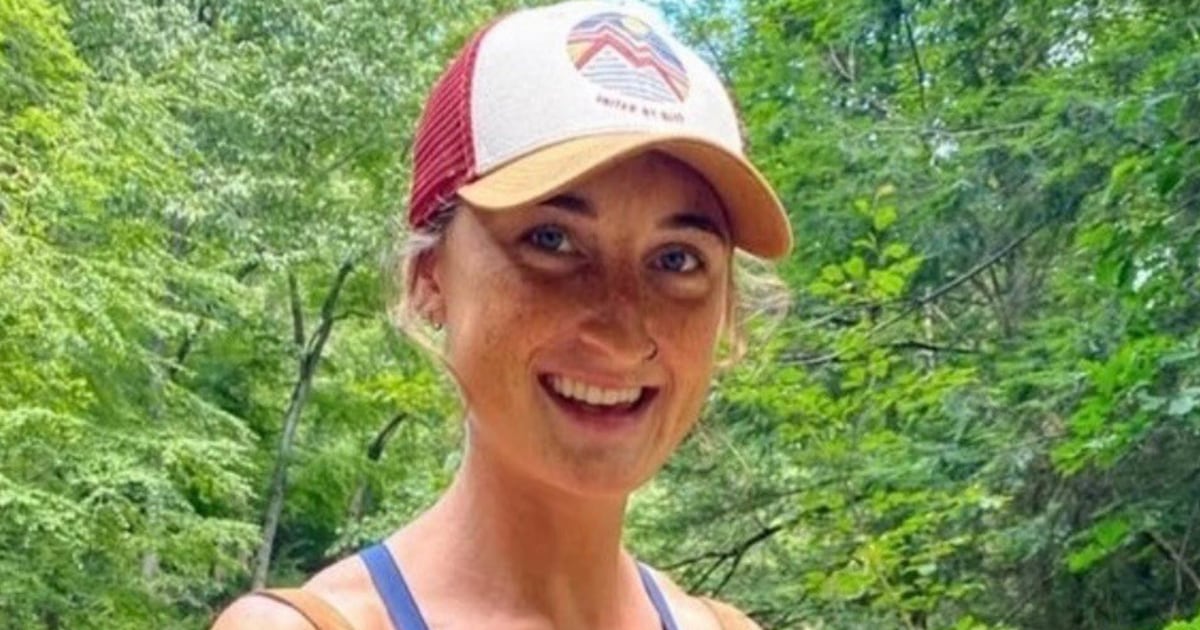
Rylie Toomey was planning her wedding and training for a half marathon when she began experiencing severe abdominal pain.
Her stomach had been hurting on and off for months, but every time she went to get it checked out, doctors told the 27-year-old it was just constipation.
In April, the stomach pain suddenly worsened to the point that Toomey was yelling in pain in the emergency room.
“In my head I was like, I think I’m going to die — that’s how much pain I was in,” Toomey, who lives in Mechanicsburg, Pennsylvania, tells TODAY.com.
“I felt like I was being stabbed, and my belly was super bloated, too. It felt like I was just going to explode.”
It turned out she had a perforated bowel, or a tear in the digestive tract. The ordeal led to the true diagnosis: Stage 4 colon cancer.
Toomey couldn’t believe she could be diagnosed in her 20s.
“When you hear, ‘You have cancer,’ you’re just like, that can’t be right. That can’t be me because leading up to this, I was so healthy,” she says.
“To hear that I had colon cancer just didn’t make sense, just because you feel like colon cancer is linked to unhealthy people or people who eat unhealthy or the elderly. I just was not expecting that at all.”
Treatment for the cancer meant she had to postpone her wedding, which was set for June.

Colon Cancer on the Rise in Younger People
Gastrointestinal cancers, including colorectal cancer, are the fastest rising type of cancer in people under the age of 50 in the U.S., according to a review published in JAMA last week.
Why is it happening?
“That is the question of the century. We currently do not know what is driving the rising rates of gastrointestinal cancers in young people,” Dr. Kimmie Ng, the review’s co-author and director of the Young-Onset Colorectal Cancer Center at Dana-Farber Cancer Institute, said on NBC Nightly News.
“It never used to happen in this age group, and now a very significant rise in 20-, 30- and 40-year-olds are getting colon cancer,” said Dr. John Marshall, chief medical consultant at the nonprofit Colorectal Cancer Alliance, told NBC News. He was not involved in the new review.
Risk factors include obesity, a poor diet that includes sugary drinks and ultraprocessed foods and a sedentary lifestyle.
But Toomey had none of those risk factors. She’s at a healthy weight, active and loves sports, playing lacrosse, running and cycling. She eats a healthy diet and doesn’t have a family history of colon cancer.

Fever Can Be Colon Cancer Symptom
Toomey’s stomach pains started in October 2024. They didn’t feel normal, so she went to the emergency room where doctors did a CT scan and told her she was “just backed up,” or constipated. She recalls feeling embarrassed.
Colon cancer is missed in about 20% of abdominal CT scans of patients who go on to be diagnosed with the disease, studies have found.
Over the next months, the pain occasionally returned, but Toomey didn’t think anything of it. Then in April, she started having a fever, and her stomach pain began to get worse.
Fever can be a symptom of cancer in patients with solid organ tumors, including colon cancer, and in rare cases, it’s the only symptom, researchers note.
The fever can be caused by an infection or triggered by the tumor when it produces proteins that raise the set point for body temperature, studies have found.
Besides abdominal pain, colon cancer symptoms most frequently include rectal bleeding or blood in the stool, which Toomey never experienced.
Other warning signs include narrow stools and an unproductive urge to have a bowel movement.
As her stomachache intensified, Toomey went to her family physician and then to the emergency room twice. Again, doctors told her she was constipated.
Finally, when she was yelling in pain, Toomey was treated for a perforated bowel and spent 10 days in the hospital.

Feeling Dismissed
At the end of April, a CT scan picked up a mass in her colon and Toomey had emergency surgery to remove as much of the tumor as possible. She was diagnosed with Stage 4 colon cancer because a small mass on her liver and nodules on her lungs are suspected metastases.
One-fifth of colorectal patients are diagnosed like Toomey — after an emergency that involves a bowel obstruction or perforation, or both, as the tumor grows, studies have found.
At points during the ordeal, Toomey felt doctors dismissed her because of her age.
“I felt like they weren’t looking too far into it. Just because I was so young, they weren’t going to do a colonoscopy,” she says.
“I didn’t feel like it was that urgent to them when it felt super urgent to me.”

Wedding Back on Track
Toomey’s treatment involves chemotherapy every two weeks, plus infusions of immunotherapy. She has eight more treatments to go.
Because chemotherapy can lead to premature ovarian failure and a high risk of infertility in young colorectal cancer patients, she froze her eggs before her treatment began. Her dream is to become a mom.
Friends have set up a GoFundMe page to raise money for medical expenses and long-term egg storage.
Her wedding, which had to be postponed by a year, is now scheduled for June 2026.

“It’s definitely something that keeps me going right now,” Toomey says. “It’s kind of hard to stay positive in situations like this, but this is something that’s bringing me joy and keeping me going.”
She recently did her first 20-mile bike ride in a long time and felt great.
Toomey is urging others who are noticing symptoms to get checked out, advocate for themselves and keep pushing for answers.
“I just don’t want anybody to ever go through something like this. I think this happened for a reason so I can help others,” she says.
link